Conprofe Delivers Burr Coverage as Low as 0.2% in Processing DuPont Engineering Plastics
 April 10, 2026 2:25 pm
In the world of advanced manufacturing, material selection is the first critical decision. For applications demanding exceptional thermal stability, chemical resistance, and mechanical strength, engineering plastics have become indispensable. However, their very strength often poses significant machining challenges, especially when creating ultra-small, high-precision features. This newsletter explores the engineering plastic landscape, focuses on the high-performance DuPont Vespel® SCP-5000, and presents Conprofe’s proven ultrasonic machining solution for one of its most demanding applications: semiconductor probe cards.
Understanding Engineering Plastics: A Brief Classification
Engineering plastics are a group of high-performance polymers designed to withstand mechanical stress, elevated temperatures, and harsh chemical environments over prolonged periods, often serving as lightweight, durable alternatives to metals.
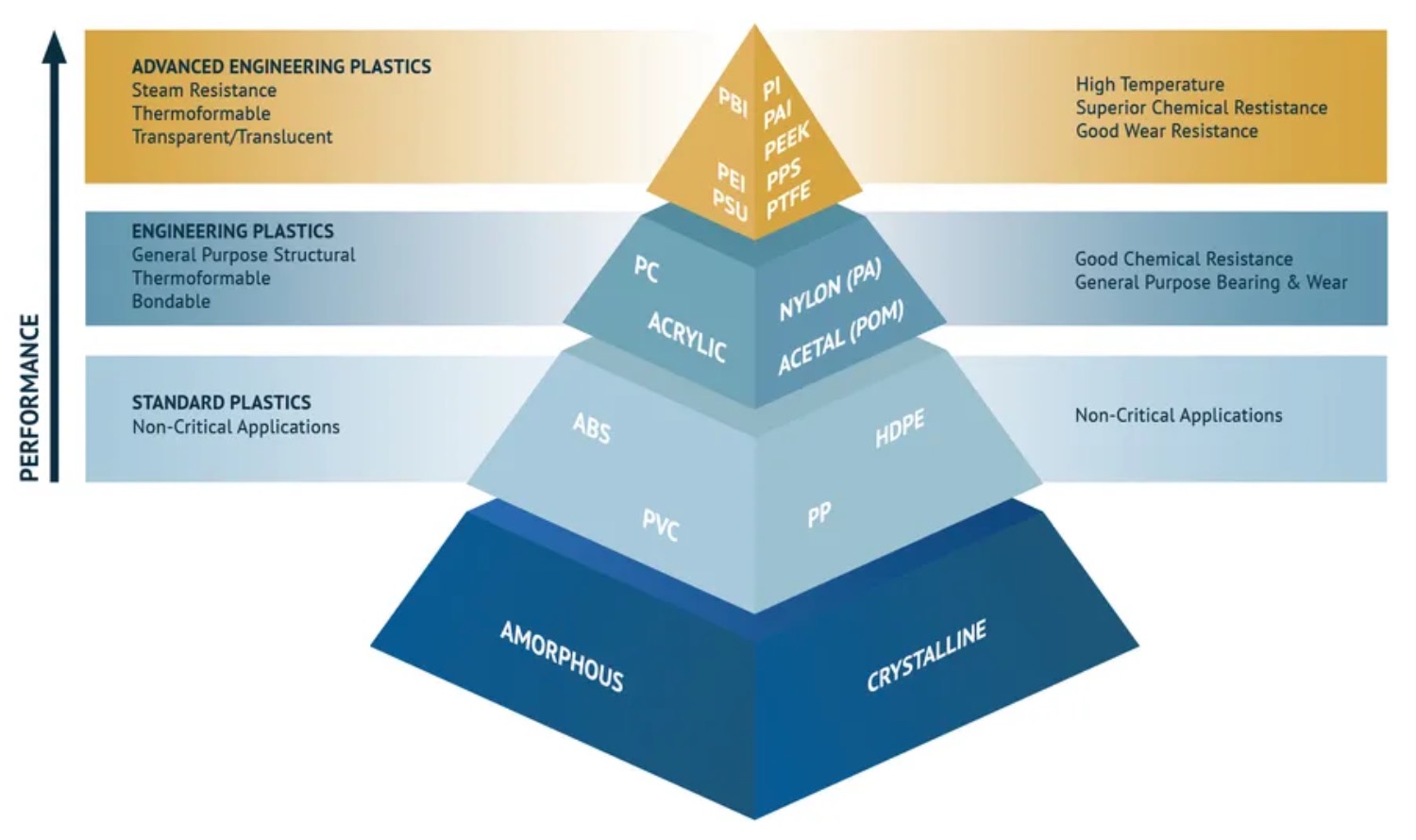
They are broadly classified into two tiers:
Standard Engineering Plastics: These are widely produced and offer an excellent balance of cost and performance for general industrial applications. Key types include Polyamide (PA/Nylon), Polycarbonate (PC), Polyoxymethylene (POM), and Thermoplastic Polyester (PBT/PET).
High-Performance (Advanced) Engineering Plastics: These materials excel in extreme conditions, typically with continuous use temperatures exceeding 150°C. They command a higher price due to their superior property profile. Notable examples include Polyimide (PI), Polyetheretherketone (PEEK), Polyphenylene Sulfide (PPS), and Liquid Crystal Polymer (LCP). DuPont Vespel® SCP-5000, a polyimide-based material, firmly belongs to this high-performance category.
DuPont Vespel® SCP-5000: Properties, Semiconductor Applications & Machining Challenges
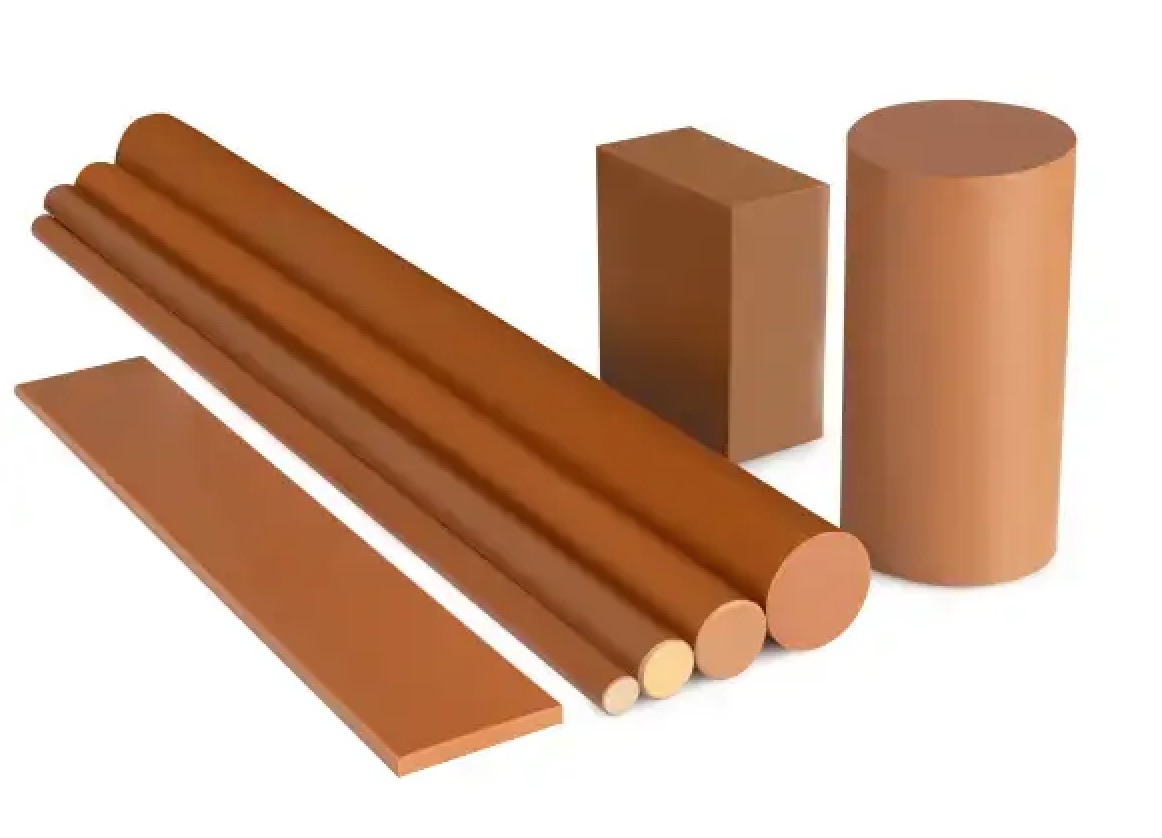
Vespel® SCP-5000 is a non-thermoplastic polyimide recognized for its extraordinary performance in demanding environments. Its key attributes include:
Exceptional Thermal Stability: Capable of continuous use at temperatures up to 350°C without softening.
Outstanding Chemical & Plasma Resistance: It exhibits superior resistance to plasma erosion and a wide range of aggressive chemicals, making it a preferred choice in semiconductor fabrication.
Dimensional Stability & Low Outgassing: With a low coefficient of thermal expansion (CTE) and minimal volatile condensable materials (outgassing), it ensures precision and purity in vacuum environments.
Excellent Electrical Insulation: Critical for preventing signal crosstalk in high-frequency testing.
Application in Semiconductor Probe Cards
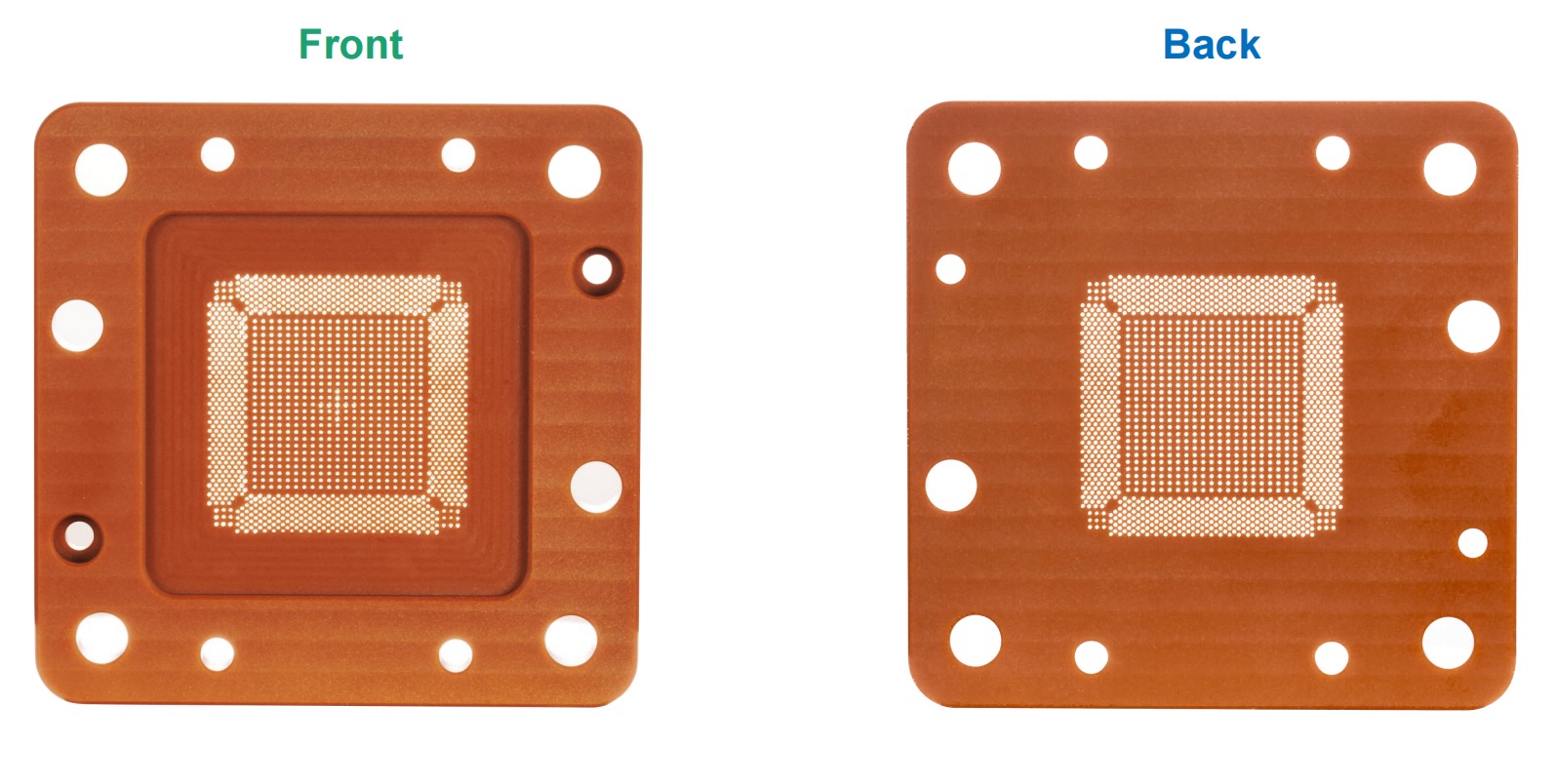
Due to the above properties, Vespel® SCP-5000 is a material of choice for critical probe card components, including guide plates, spacers, and support structures. These parts must precisely position thousands of microscopic probes, withstand plasma exposure during wafer testing, and maintain sub-micron tolerances despite temperature fluctuations.
The Drilling Challenge
Paradoxically, the properties that make Vespel® SCP-5000 so desirable also make it notoriously difficult to machine. Key pain points in micro-hole drilling include:
High Tool Wear: The material’s hardness and abrasiveness lead to rapid tool degradation, causing inconsistent hole quality.
Burr Formation: Conventional drilling often produces significant exit burrs, which can interfere with probe placement and require costly secondary finishing.
Risk of Wall Breakage: When creating closely spaced micro-holes, maintaining thin, consistent walls without rupture is a significant challenge, directly impacting probe card yield and reliability.
Conprofe’s Solution: A Case Study on Stepped Micro-Hole Drilling
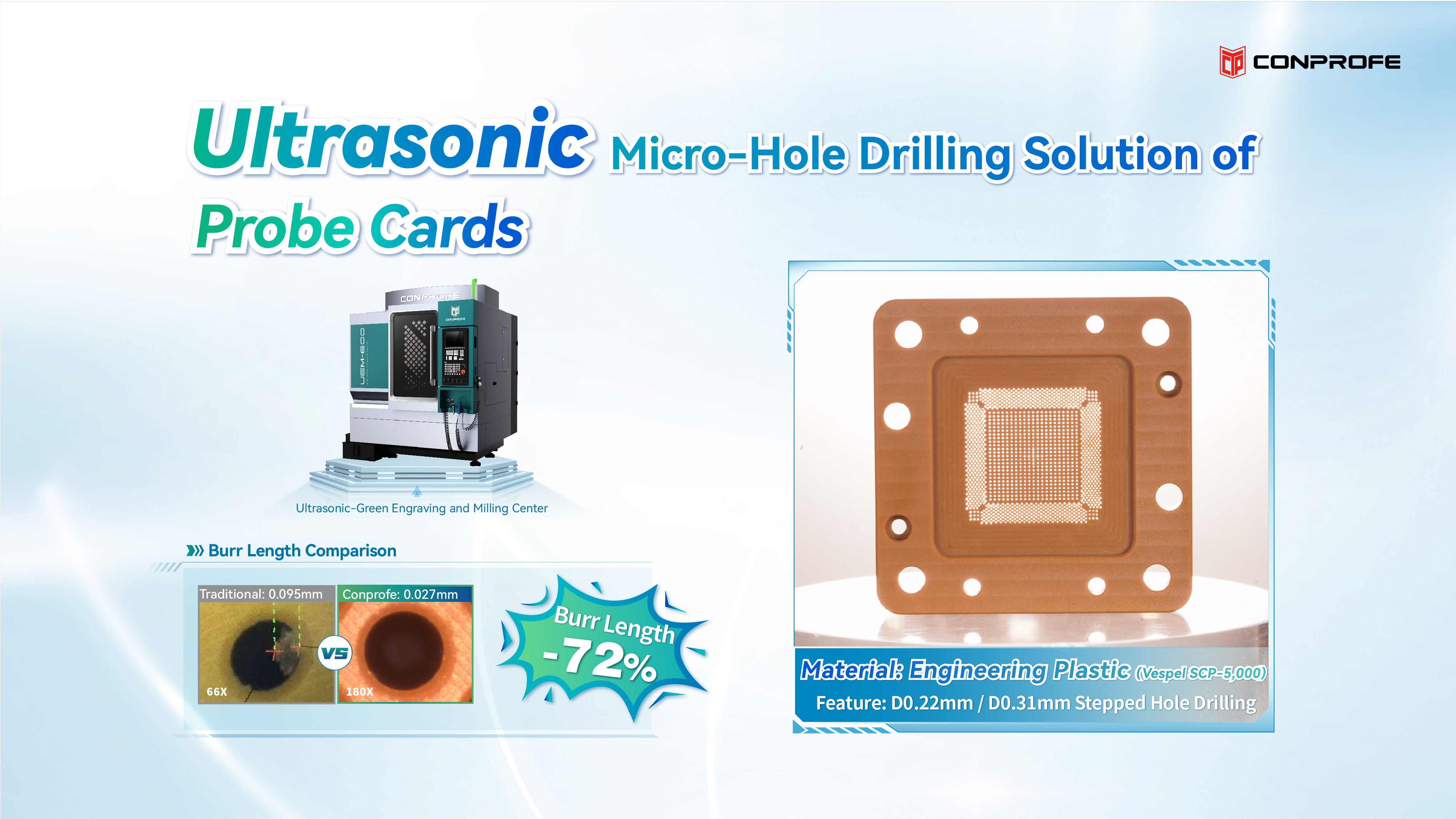
To address these industry pain points, Conprofe has developed a specialized solution centered on its ULW-600 PLUS Ultrasonic-Green CNC Machining Center, integrated with advanced ultrasonic technology and precision tooling.
Case Study Objective: Machining stepped micro-holes (D0.22mm/D0.32mm) in a Vespel® SCP-5000 probe card part.
Key Process Requirements: Positional tolerance ≤0.03mm, roundness ≤0.01mm, concentricity ≤ 0.03mm, and minimized burr coverage ratio.
Conprofe’s Solution Highlights:
Machine: ULW-600 PLUS Ultrasonic-Green Engraving and Milling Center
Technology: Conprofe’s proprietary Ultrasonic Machining System (with Ultrasonic Amplitude Measuring Device)
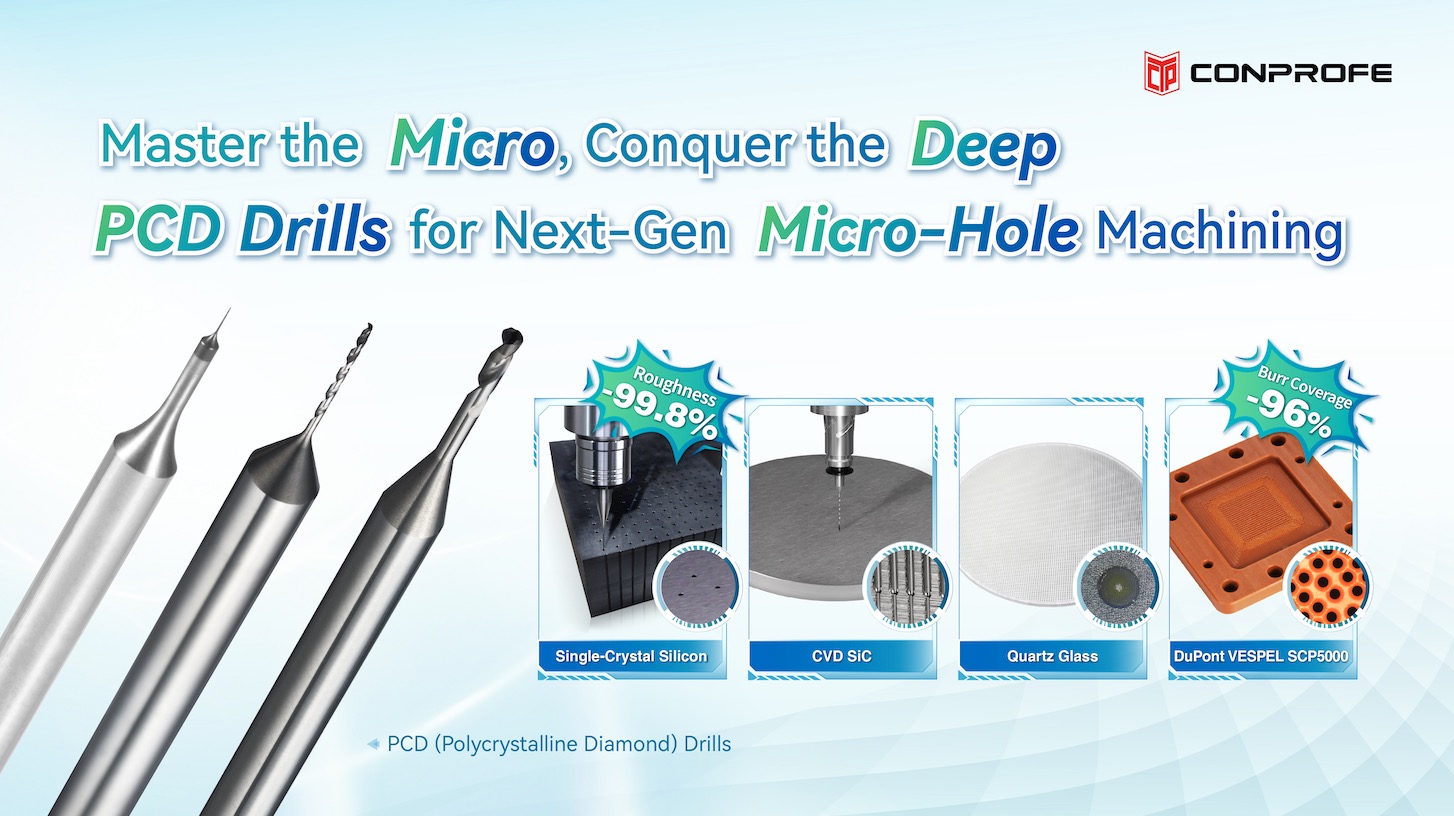
Tool: Solid PCD (Polycrystalline Diamond) Drill
Results & Advantages:
The results demonstrated a clear advantage. The burr size was reduced from 0.095mm with conventional methods to 0.027mm with the Conprofe solution, representing a 72% reduction. The burr coverage ratio dropped significantly from 5% to just 0.2%, drastically reducing post-processing costs and improving downstream yield. Most critically, while conventional drilling presented a risk of wall breakage, the Conprofe solution achieved no wall breakage and delivered excellent wall thickness uniformity across all holes.
ULW Series Machine Tool Key Features:
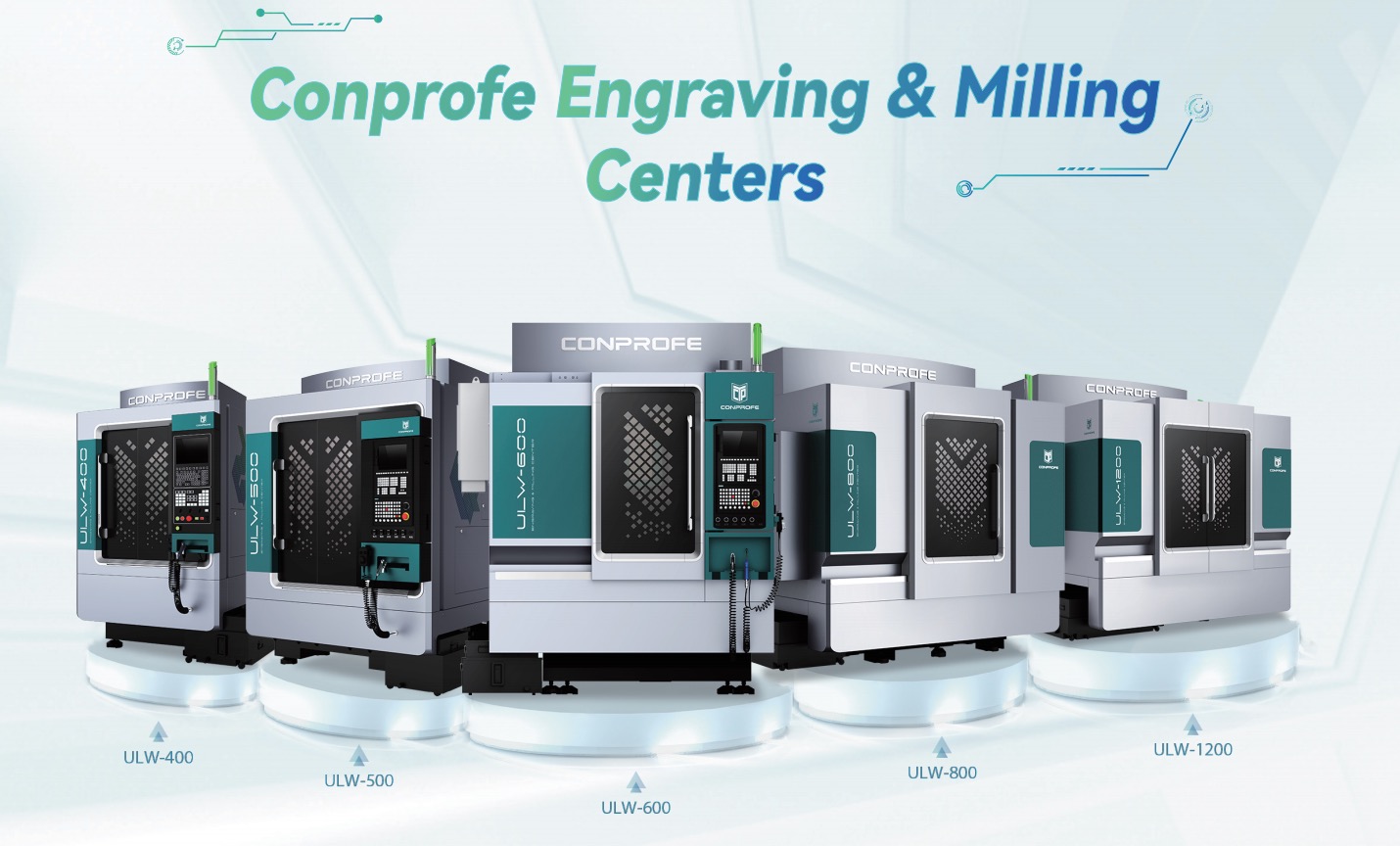
Intelligent Ultrasonic System: Conprofe’s proprietary system enables stable, efficient, and cost-effective machining of deep micro-holes in hard-brittle materials, engineering plastics, hard-to-cut metals, and composites.
High-Speed Ultrasonic Spindle: Offers a range of 18,000-50,000 rpm, optimized for micro-tooling.
Dual-Layer Worktable (Cast Iron + Aluminum): Provides excellent rigidity while ensuring rust prevention.
Configurable Axis Protection: Flexible screw guide protection options for processing hard-brittle materials or metals.
High Precision: Achieves positioning accuracy of 5µm and repeatability of 3µm, essential for micro-features.
Call to Action
Are you struggling with burrs, tool wear, or wall breakage when machining engineering plastics, PEEK, ceramics, or other advanced materials for semiconductor or precision applications?
Unlock more details on Conprofe’s advanced ultrasonic micro-hole drilling solutions by contacting us today. Alternatively, we invite you to meet our team in person and see live demonstrations.
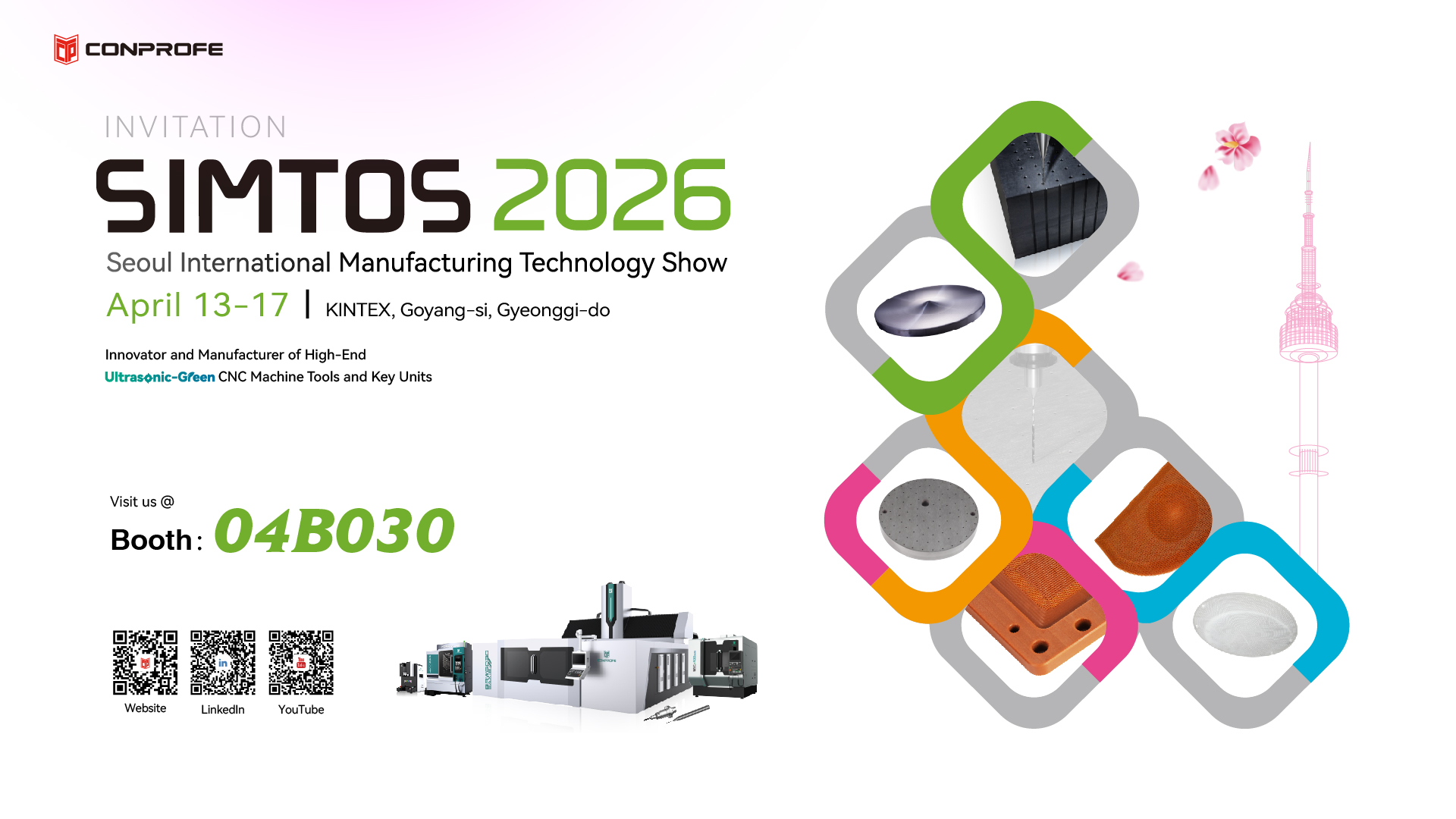
Visit Conprofe at SIMTOS 2026!
Date: April 13-17, 2026
Address: KINTEX, Goyang-si, Gyeonggi-do
Booth: 04B030
Let’s discuss how our technology can solve your advanced material micro-hole drilling challenges.